Doing Nothing For Now
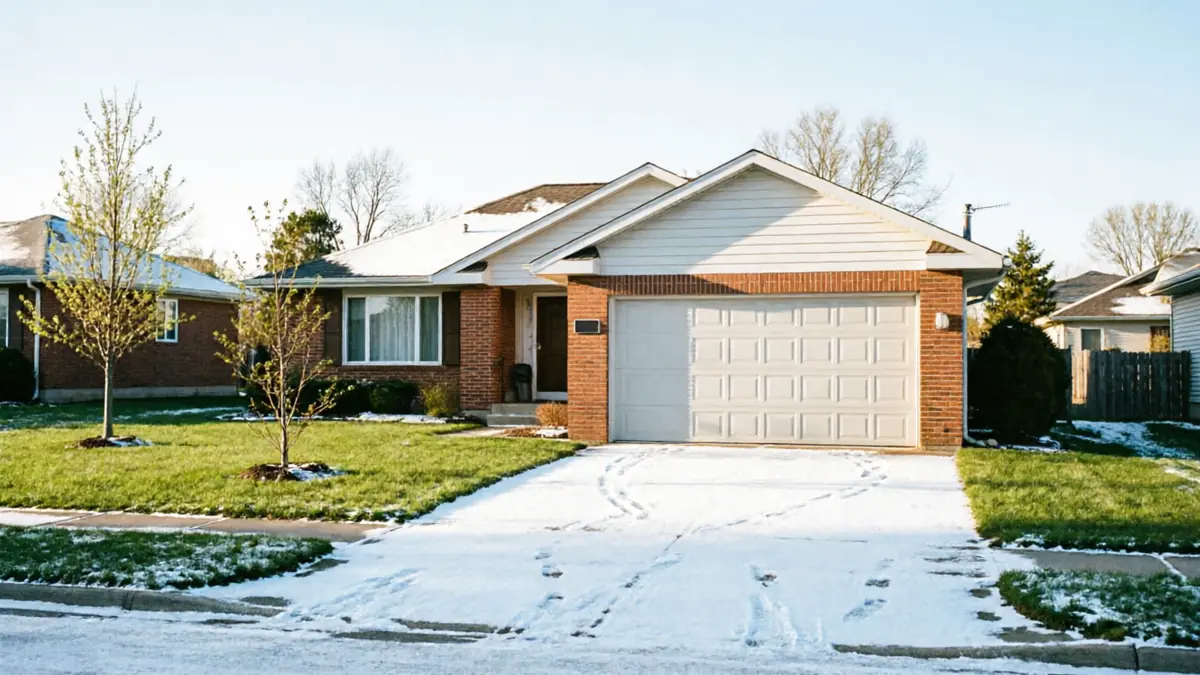
Not every noise or sag means you need a repair today. A lot of Maplewood houses were built between 1950 and 2002, with most of the stock going up in the 1960s and '70s, and plenty of those original doors are still running on their first set of springs and rollers. If the door opens and closes on command, holds its position halfway, and the opener doesn't grind or strain, you can usually wait. What you shouldn't ignore is a spring that's visibly stretched or gapped, or a cable with frayed strands near the drum - those don't get better with time, and on a door this old, the hardware wasn't built to modern safety spec anyway. If the door is original to a house from that '60s-'70s wave, a tech will tell you honestly whether it's worth babying along or whether the whole unit is due.
The Cost of This Job
We don't quote a number without seeing the door, because the cost split in Maplewood runs two directions depending on the house's age. On a door original to the 1960s-70s stock, you're often dealing with torsion hardware sized to specs nobody stocks on the shelf anymore, which can mean a longer parts wait than a job on a newer build. On houses built closer to the 2002 end of that 1950-2002 range, parts are standard and the job moves faster. A technician checks the door's age and hardware type first, because that - more than the symptom you called about - decides whether this is a same-visit fix or a job that waits on a part. We'll always tell you which one you're looking at before we start.
What Is Going On
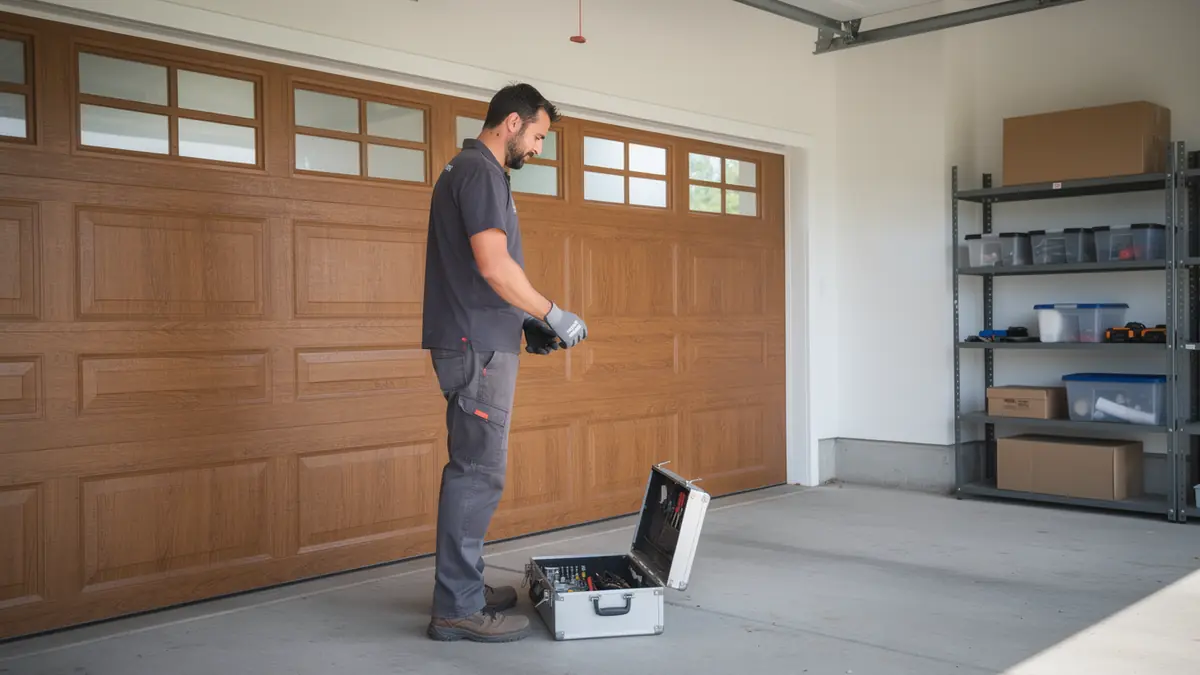
First thing a tech does is look at the spring, not the opener, even if the opener is what made you call. On a door from the 1960s-70s era common across Maplewood's 41 named areas, a struggling opener is often the spring doing less work than it should, with the motor compensating until it can't anymore. Next is the track and rollers - plastic rollers from an older install dry out and chip, and a bent track on a house with a detached garage close to a shared drive shows up as a door that binds on one side. Cables get checked for fray at the drum. Last is the opener's force setting, which on an older unit is frequently set wrong for the door's actual weight, especially after a spring swap nobody rebalanced. The order matters: springs, track, cables, opener - because fixing the opener on a bad spring just breaks the opener again.
What the Weather Here Does to It
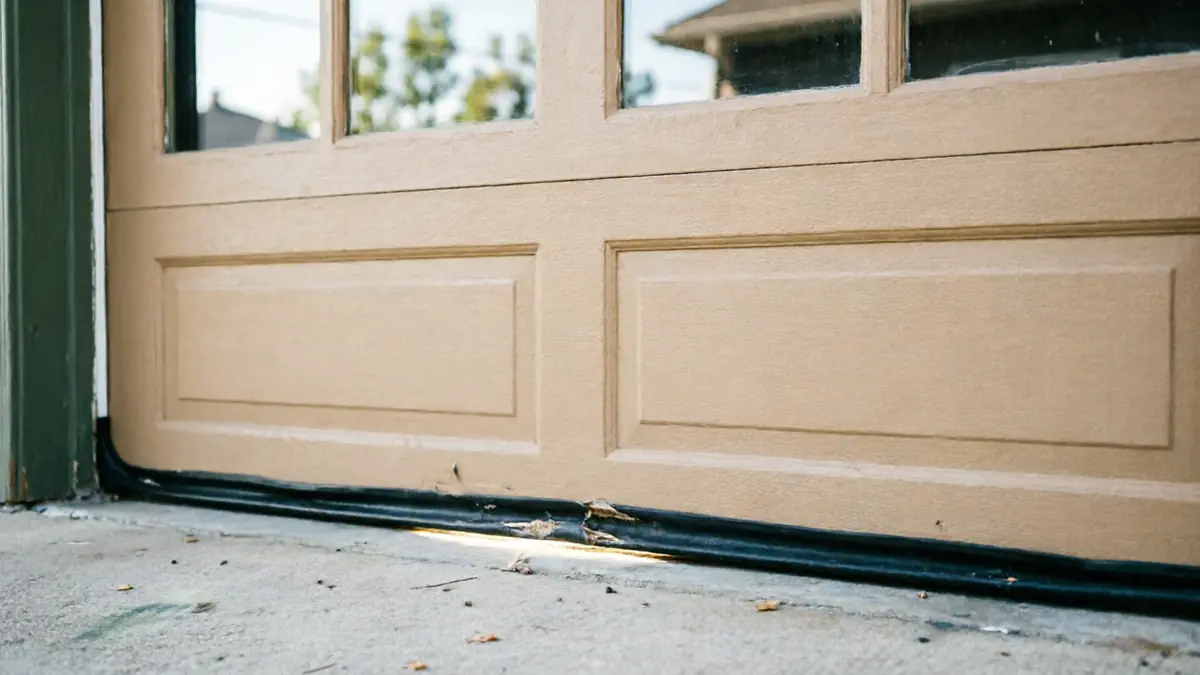
Maplewood sits in a cold, moderate climate band, and that cold is hard on garage door hardware in specific ways. Steel springs lose tension and become brittle faster in sustained cold, so a spring that's fine in September can snap on a January morning with no warning. Nylon rollers crack in cold the way plastic always does, and opener lubricant thickens, which makes the chain or belt drag and the motor work harder than it should. A tech checks for ice buildup at the bottom seal first on a cold-weather call, since a door that looks broken is sometimes just frozen to the slab. On original hardware from the 1960s-70s stock, cold makes every one of these problems arrive sooner than it would on a newer door, which is part of why age and weather get checked together, not separately.
Talk to a local pro
Garage door trouble in Maplewood?
Same-day service with honest, upfront quotes.