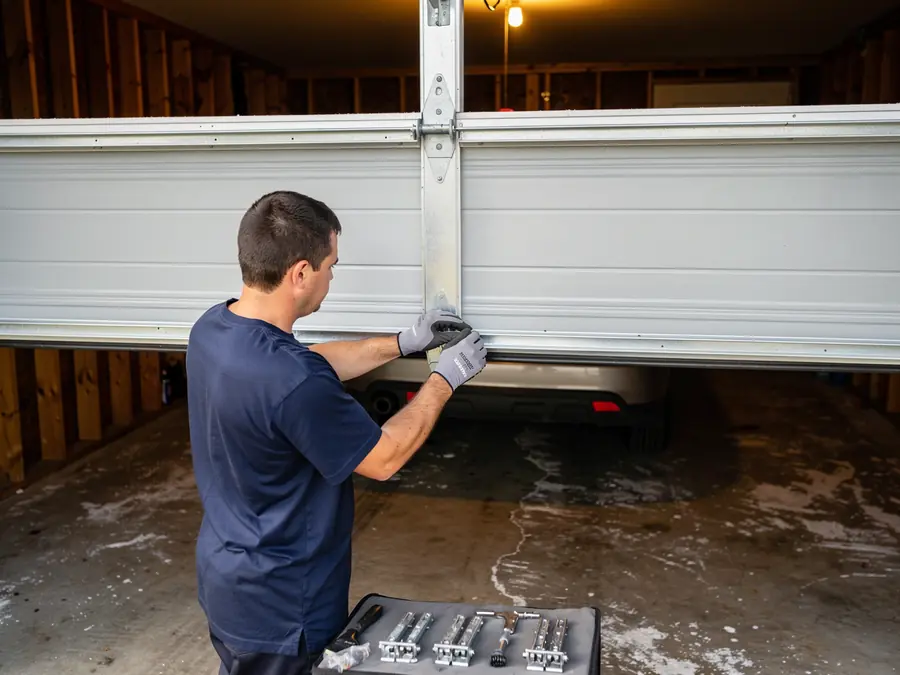
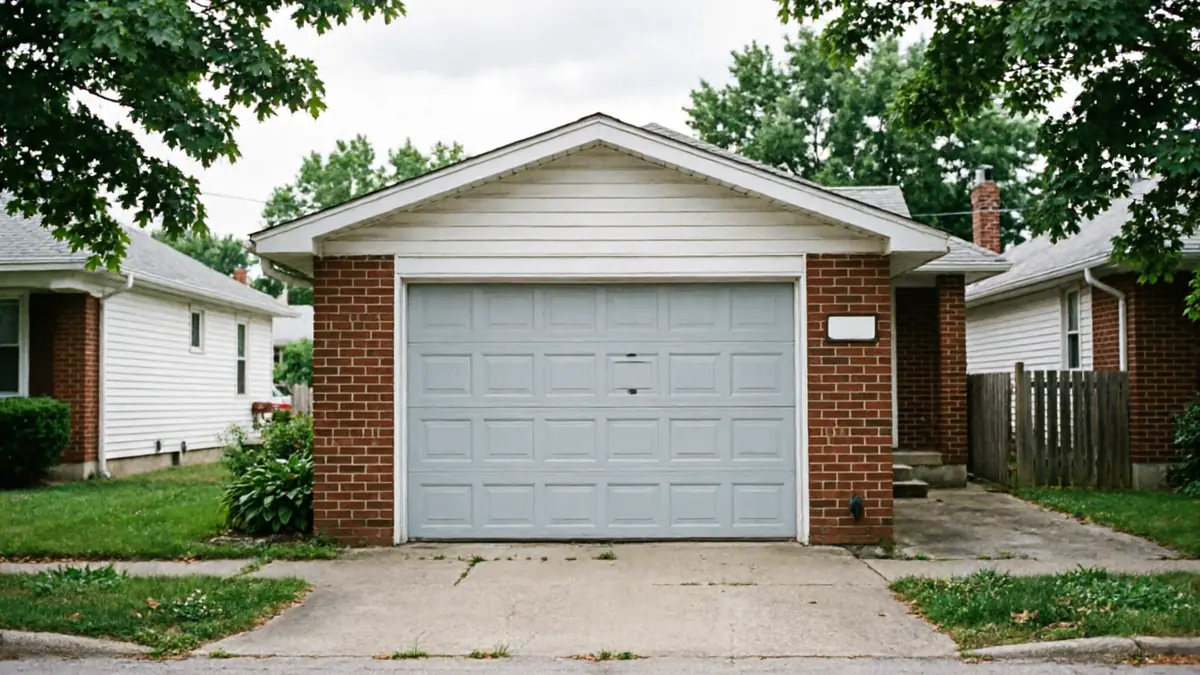
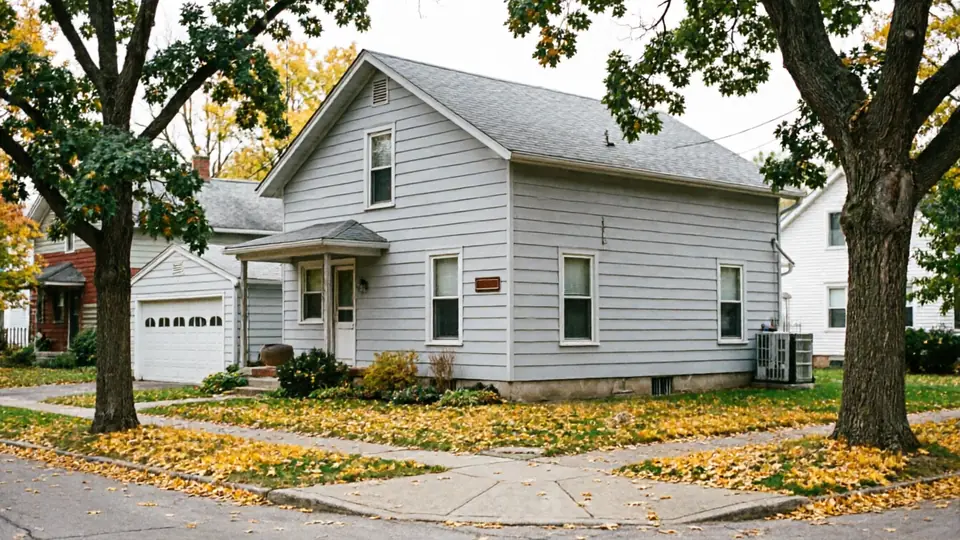
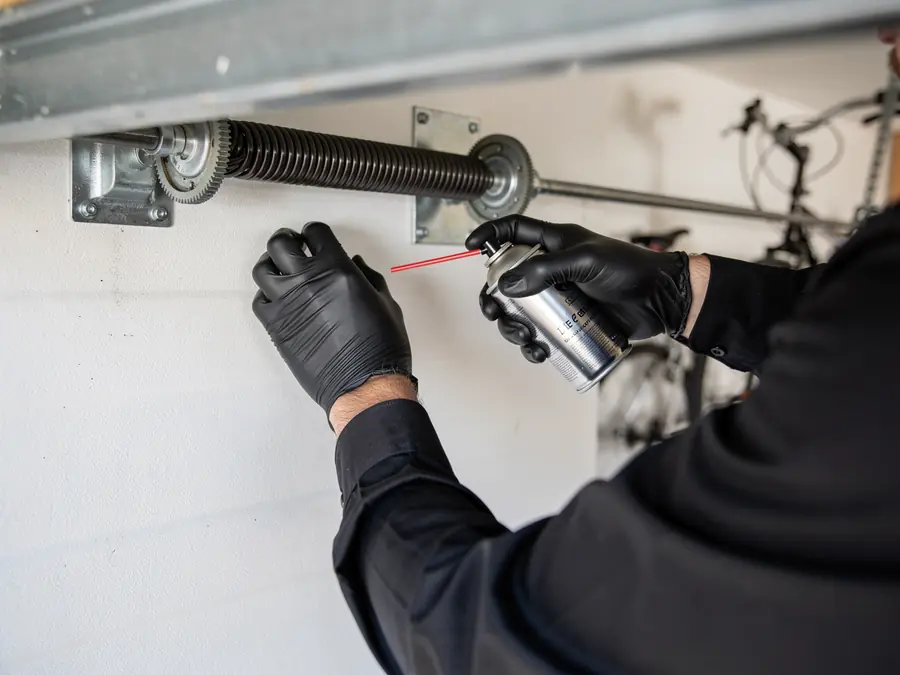
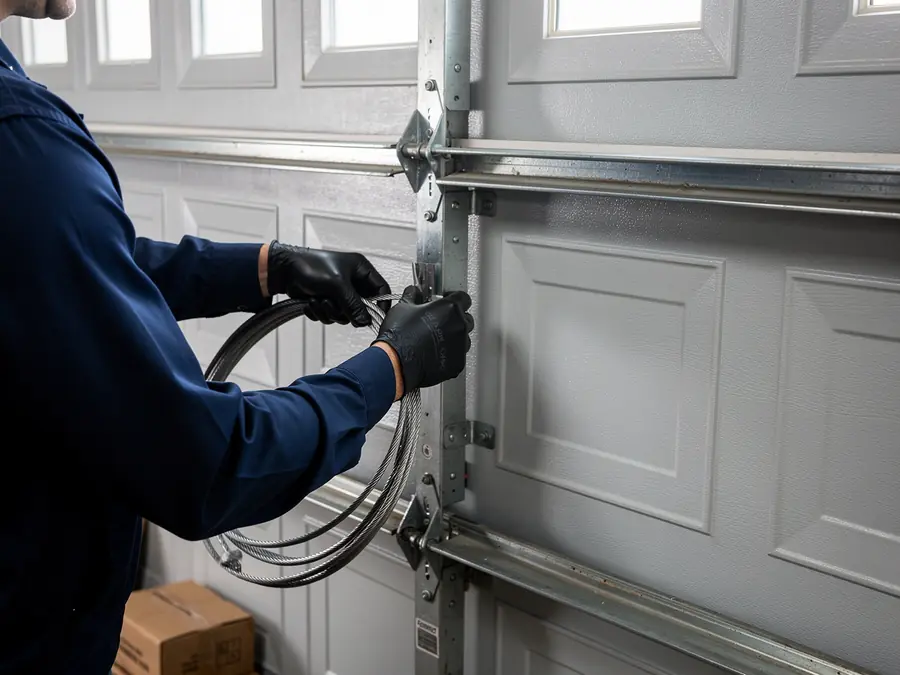
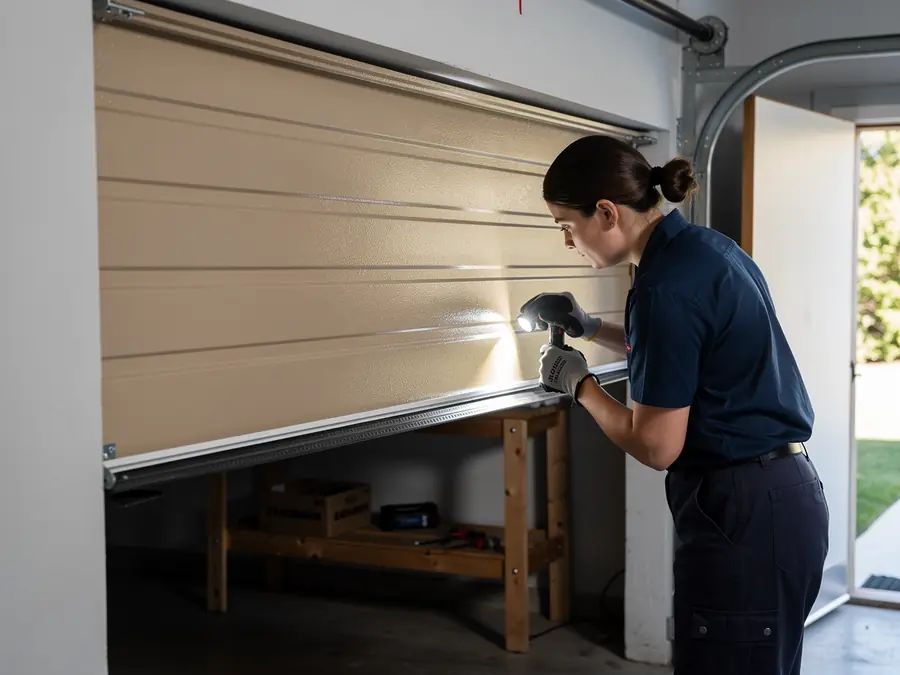
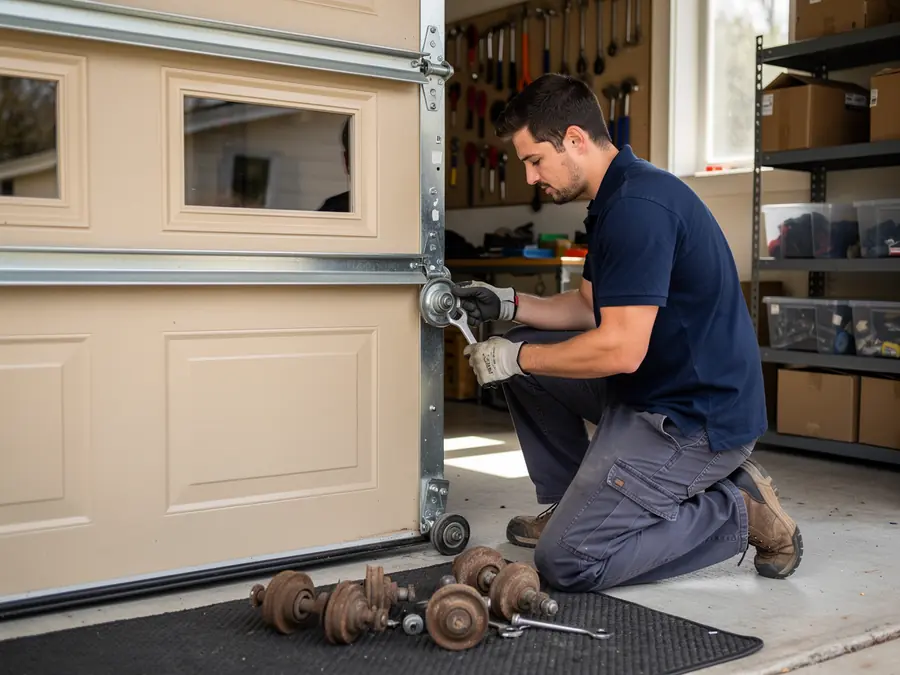
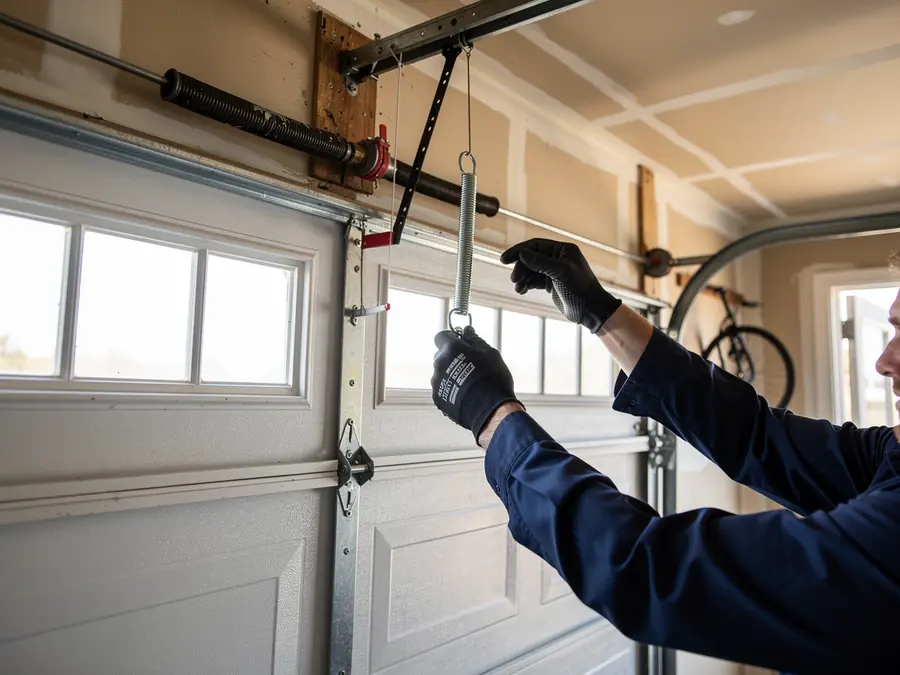
This isn't a generic wear-and-tear story - it's specific to what's parked in garages here and what winter does to it. The climate band for this area is cold-moderate, which means repeated freeze-thaw cycles every winter, not just a few hard cold snaps. Steel panels contract in the cold and expand again as temperatures swing, and over enough winters that cycle works at the seams and the foam-core bond until a panel that looks fine suddenly isn't. Combine that with a housing stock where the median build year sits around 1975, and you get a lot of doors that have absorbed 45-plus winters of that cycling before anyone replaces a panel. Across the roughly 224,155 households and 101,384 owner-occupied houses in this service area, the pattern we see most is single-panel dents on daily-driver doors and multi-panel buckling on older 16-foot doubles that were never upgraded to reinforced struts. With a median household income of $93,233 here, most of the calls we get are homeowners who want the panel fixed, not the whole door replaced - which is exactly why diagnosing the difference matters before anyone orders a part.