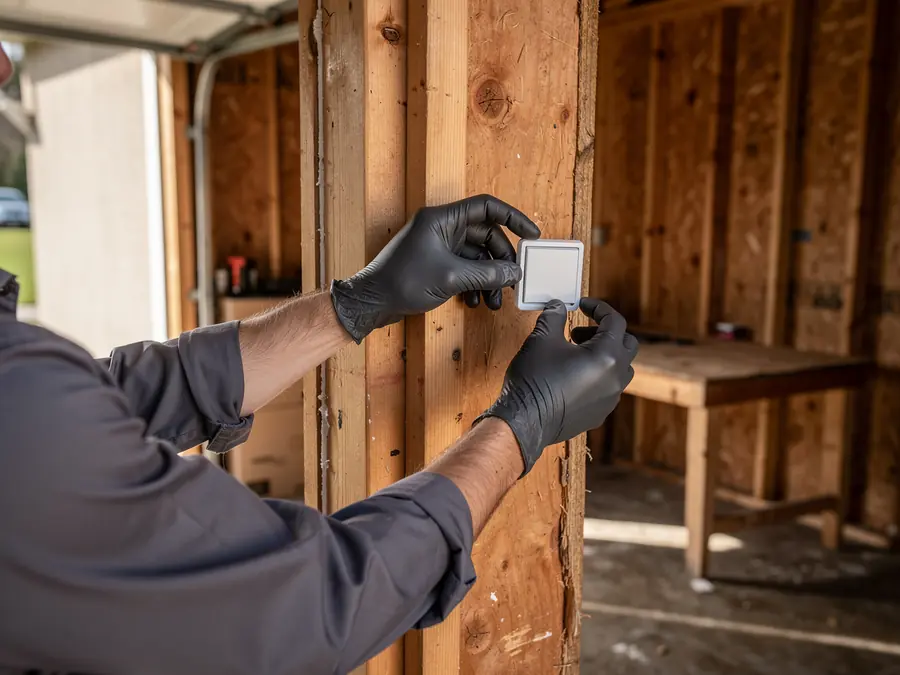
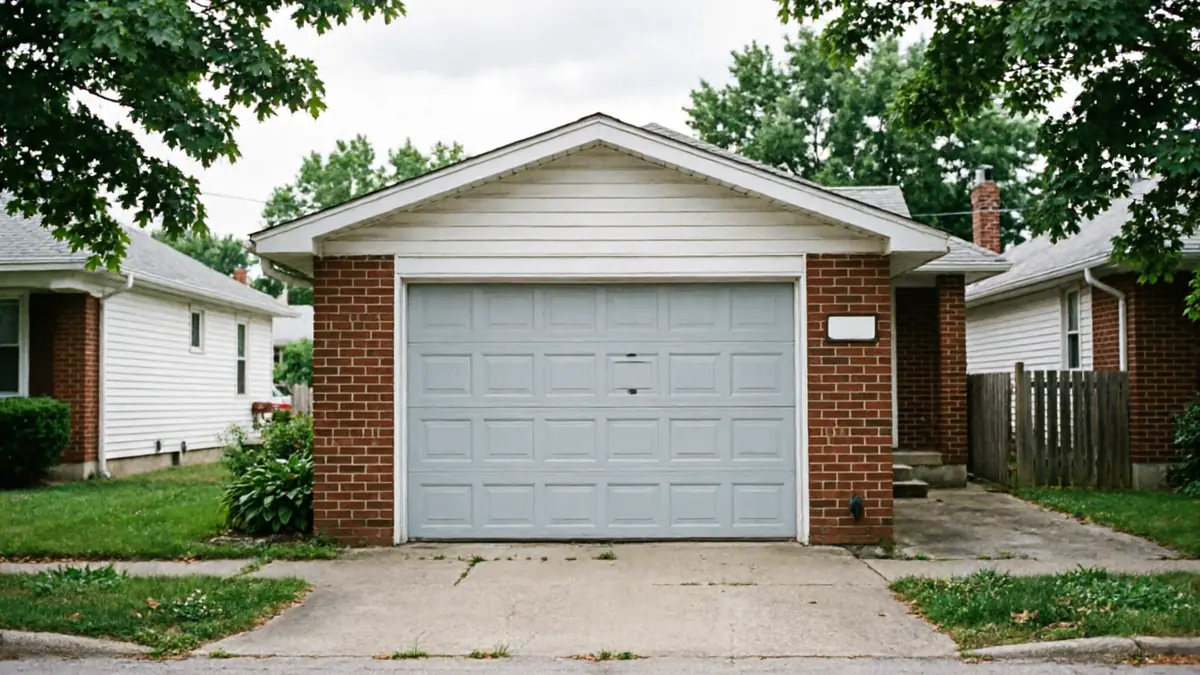
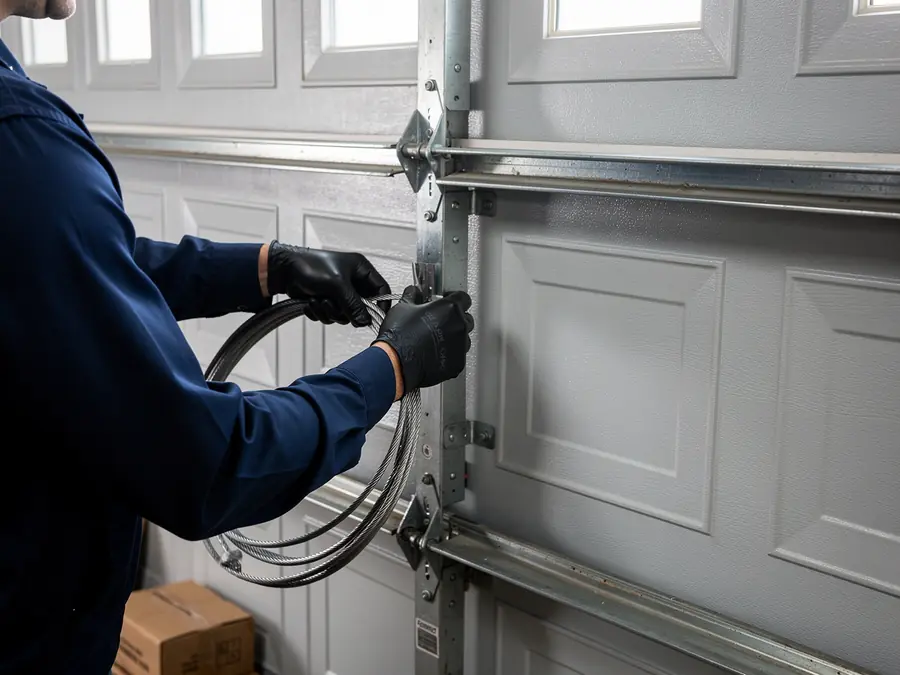
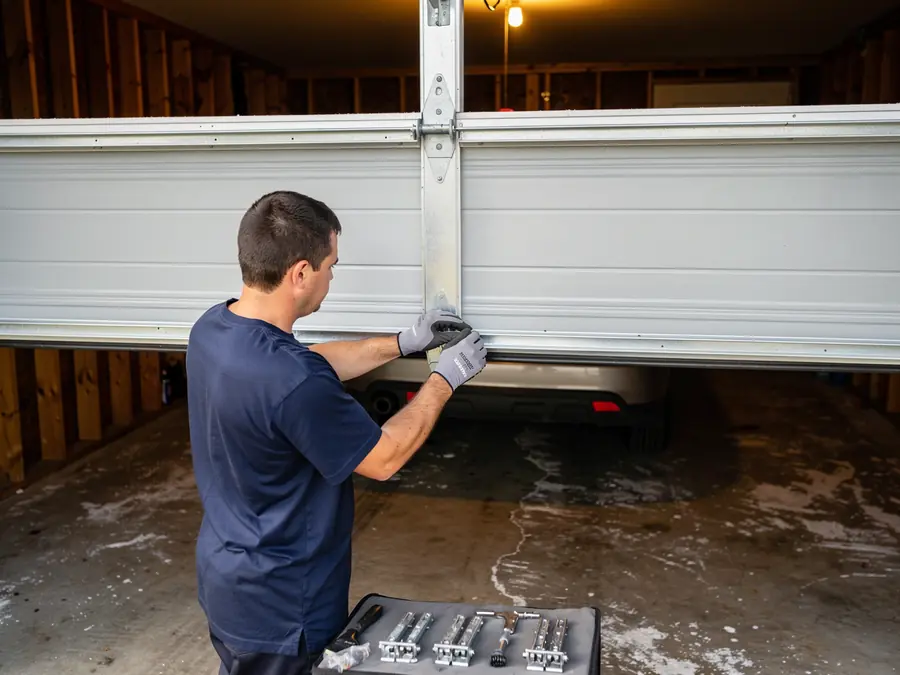
This failure pattern isn't universal, it's specific to what's on the ground here. Housing across this service area runs 1950 to 2002, with the bulk of it concentrated in 1960s and 70s construction spread across 41 named areas, which means a huge share of garages were built around doors and hardware that predate modern opener specs by decades. Pair that with a cold moderate climate band and you get two compounding problems: grease and seals stiffen in winter, which raises the torque an opener needs to move the same door, and garages in this era are rarely insulated, so the motor sits at close to outdoor temperature for months at a time. An opener rated for a modern lightweight door, installed without checking the actual weight and balance of an older one, will run hot and underpowered every winter it's asked to do that job. This is also a stable, higher-income service area, with median household income above ninety thousand dollars across roughly 224,000 households, which means most homeowners here are replacing an opener on their own schedule rather than waiting for a full failure. That's the right call. Matching the opener to the door, not the other way around, is what makes the install last.