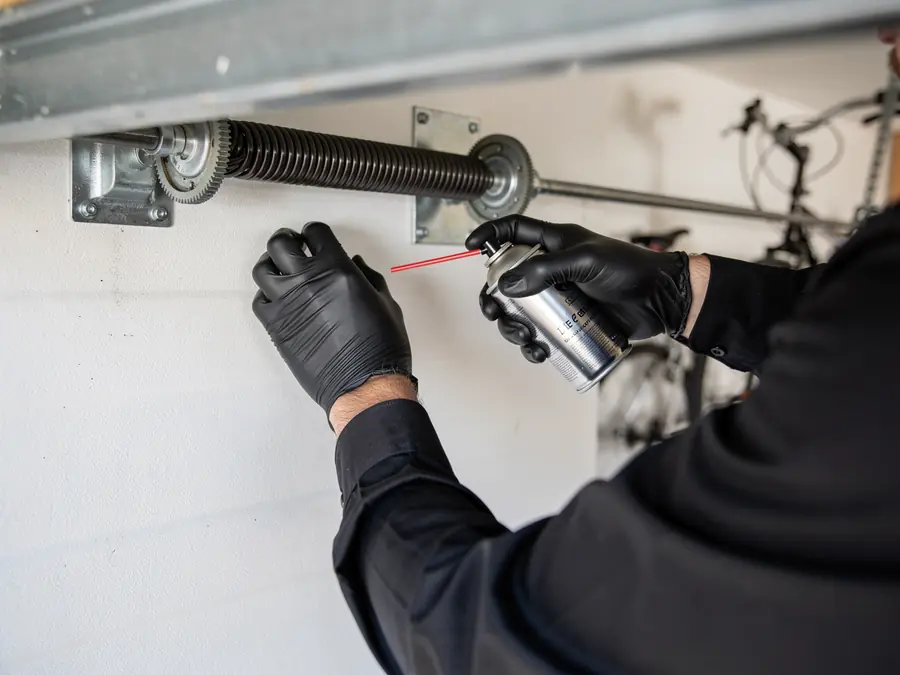
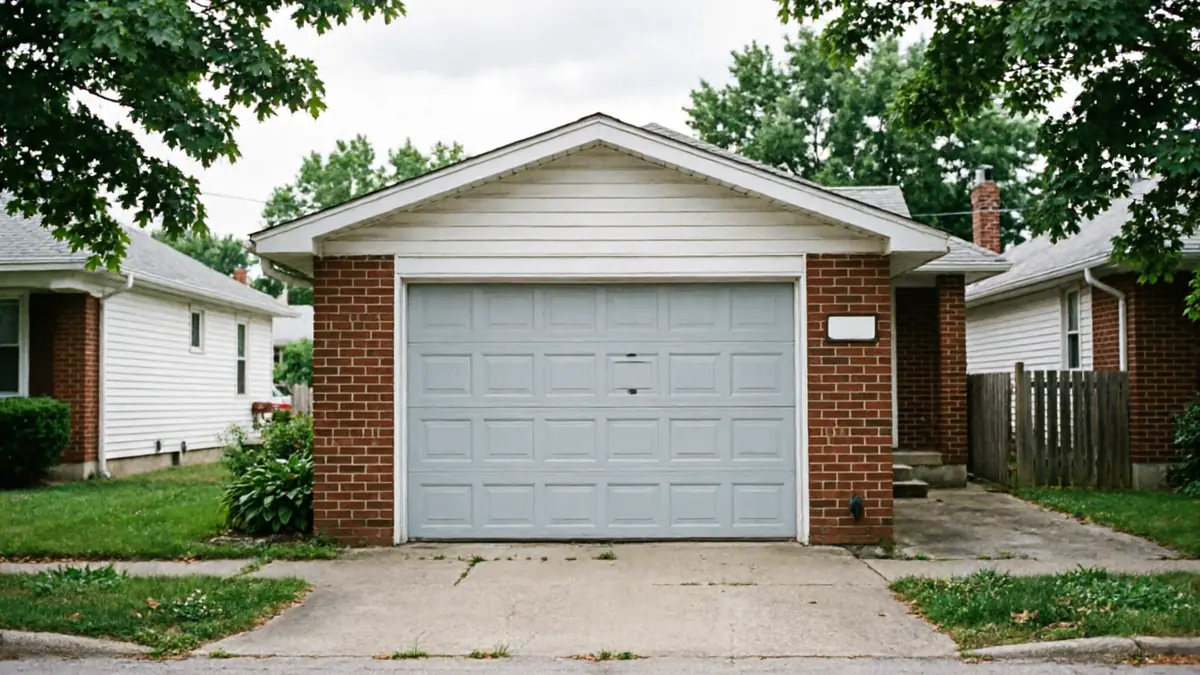
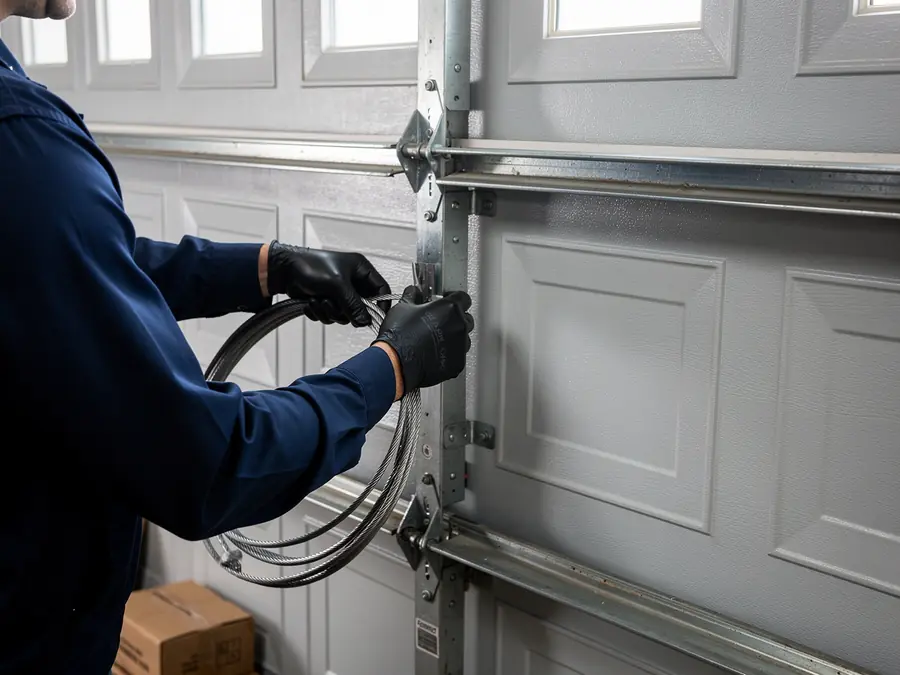
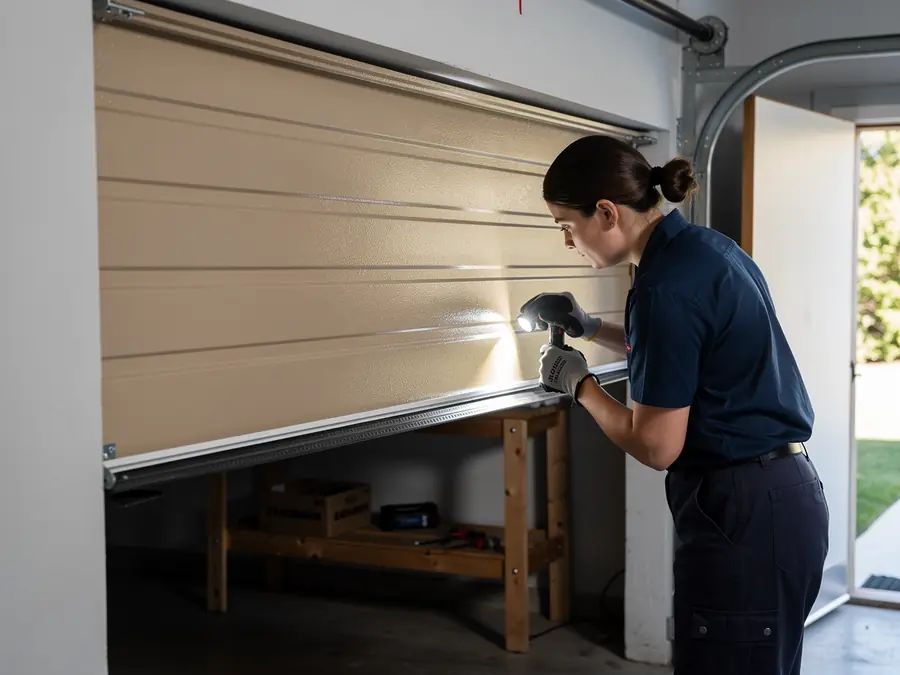
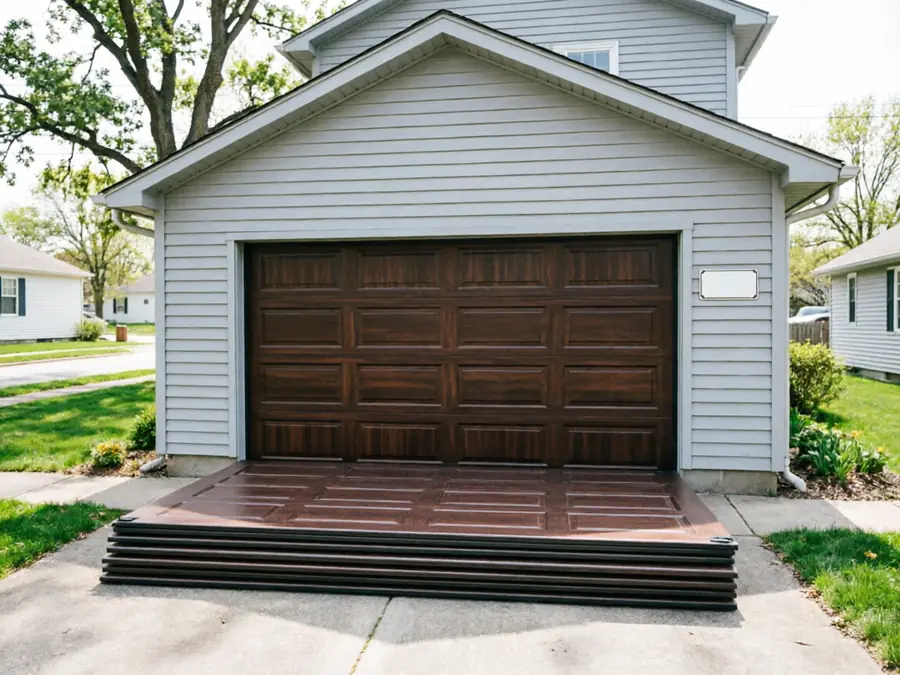
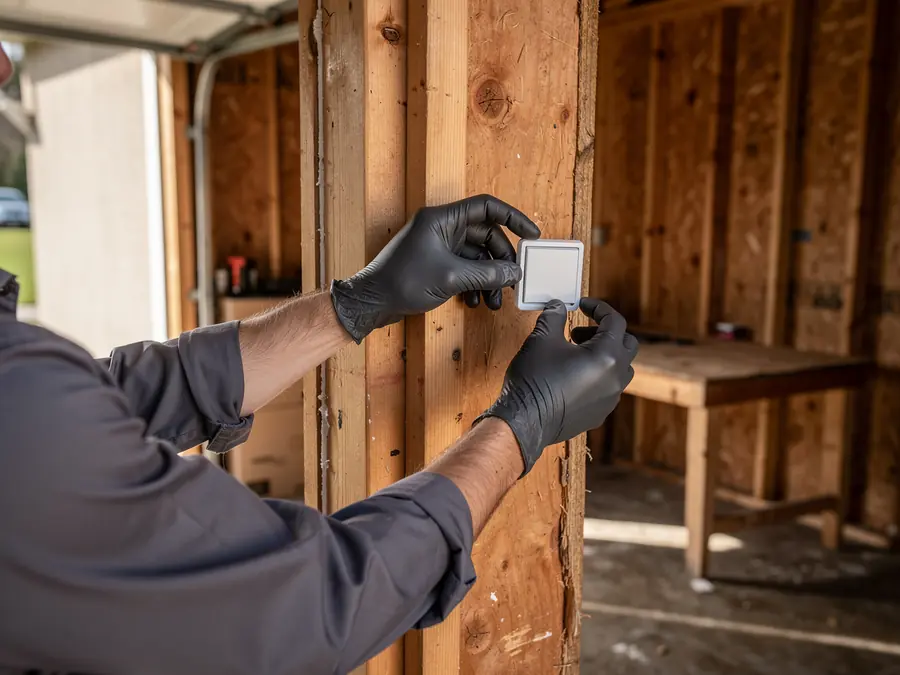
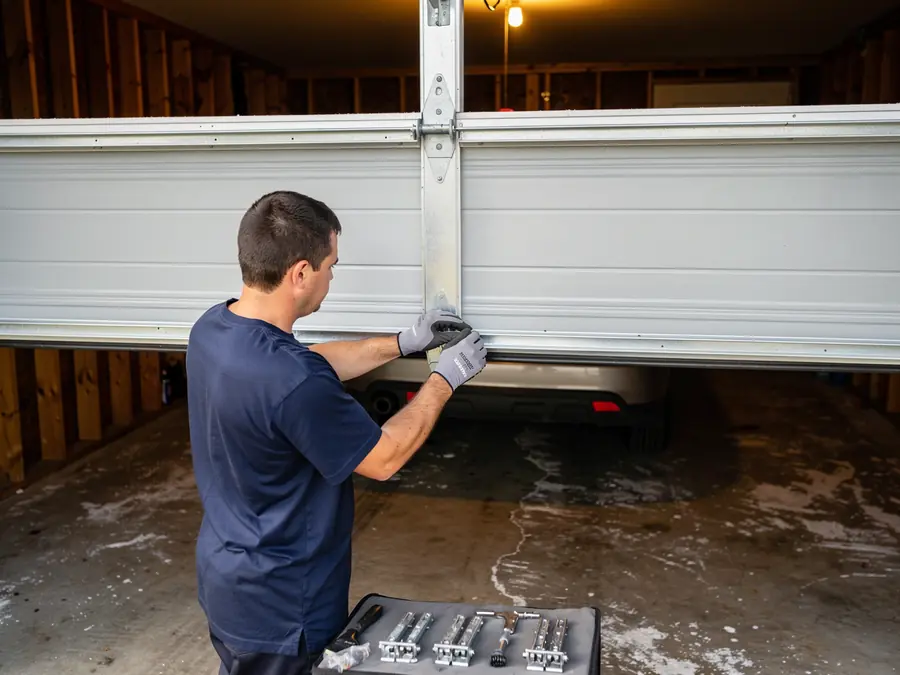
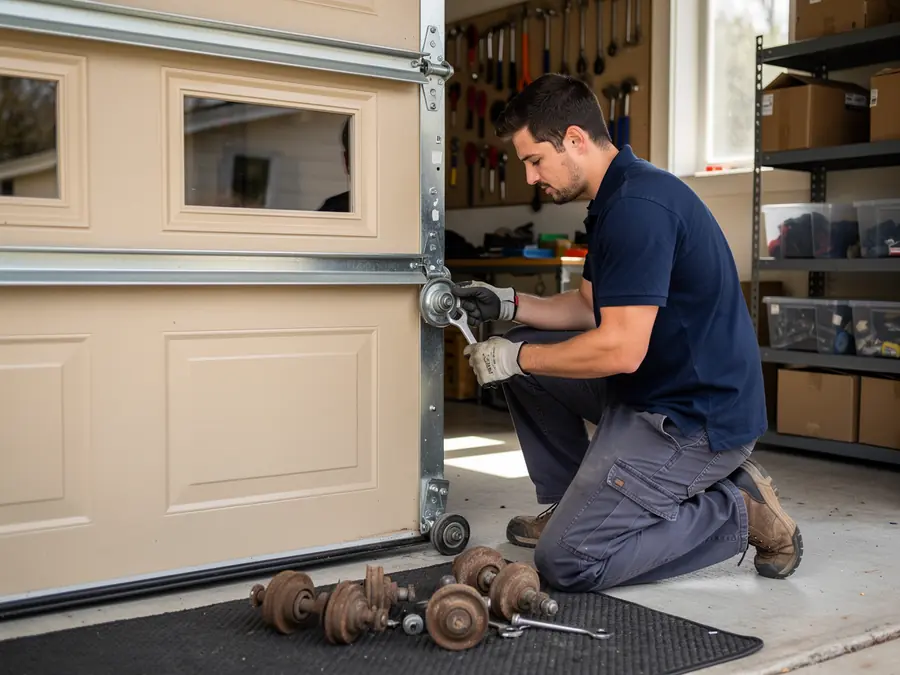
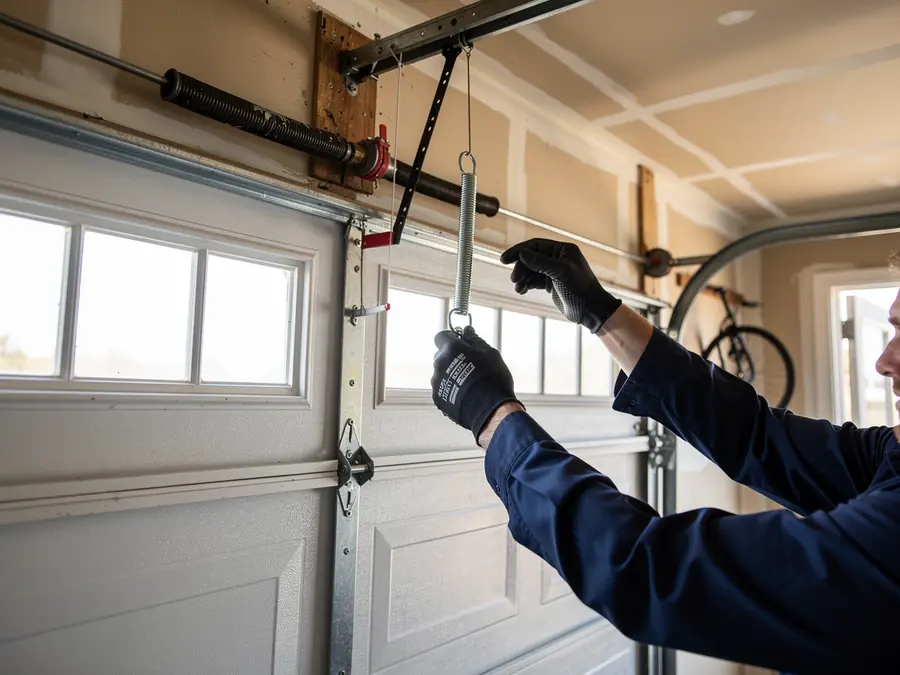
This area sits in a cold-moderate climate band, and that matters more to a 1966 door than it would to a door installed in the last fifteen years. Steel panels from that era weren't built with the thermal breaks or weatherstripping channels that later doors use, so winter cold reaches the hardware directly - the torsion spring, the end bearings, the hinges at every joint. Metal fatigues faster under repeated cold-to-warm cycling than people expect, and a spring that's wound the same amount of cycles for sixty years is simply closer to its end than a spring half that age.
The other factor is the household income gap worth noting here: at $114,435, median income in this area runs well above the broader service area's $93,233, which tends to mean more doors get full replacement rather than patched repair when the hardware starts to go - something we see less often in parts of the service area with a lower median.
We don't push replacement on every call. If the opener's fine and it's one bad roller, we fix the roller.