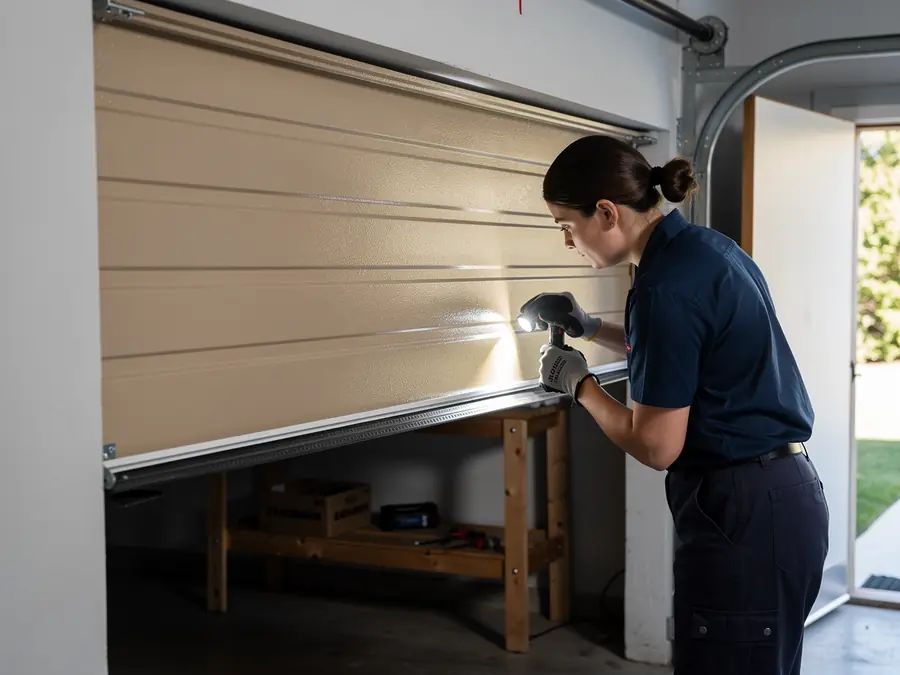
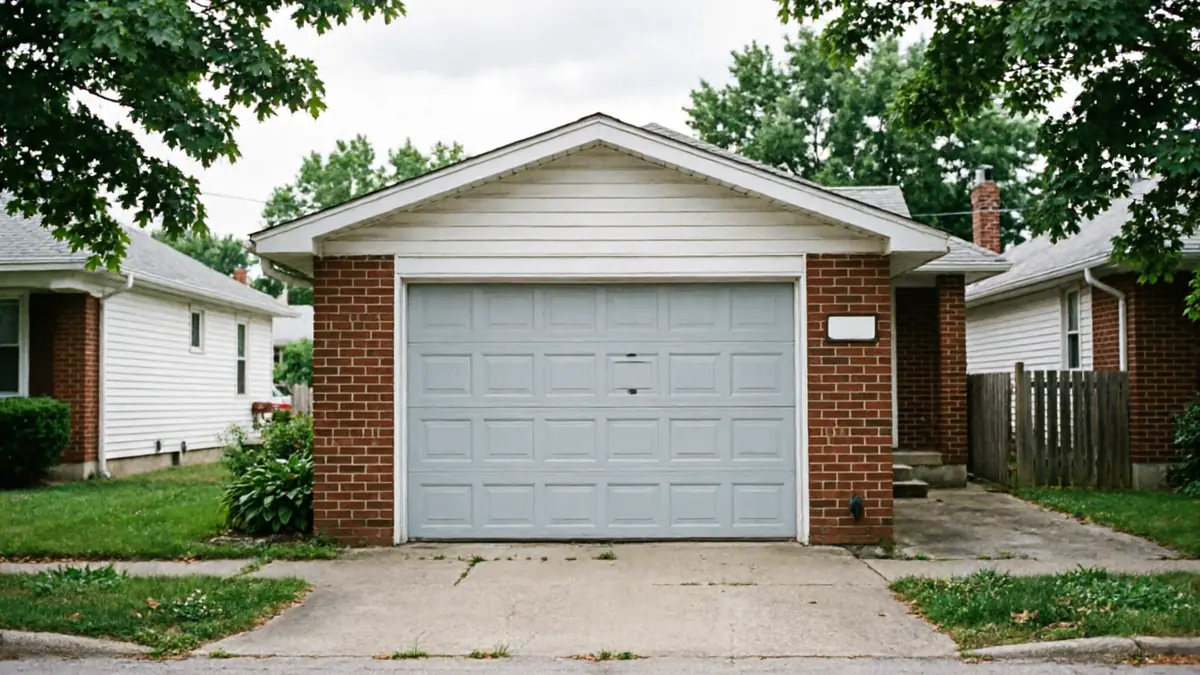
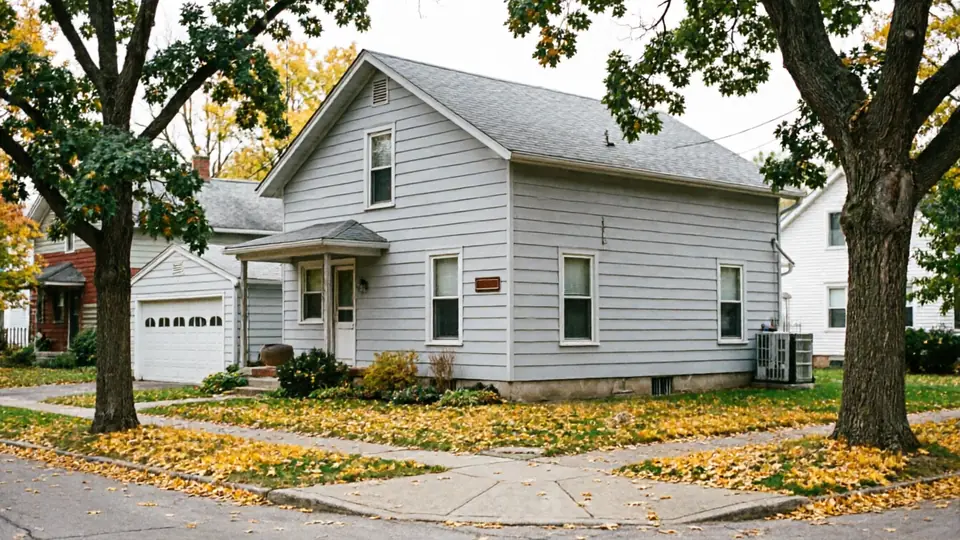
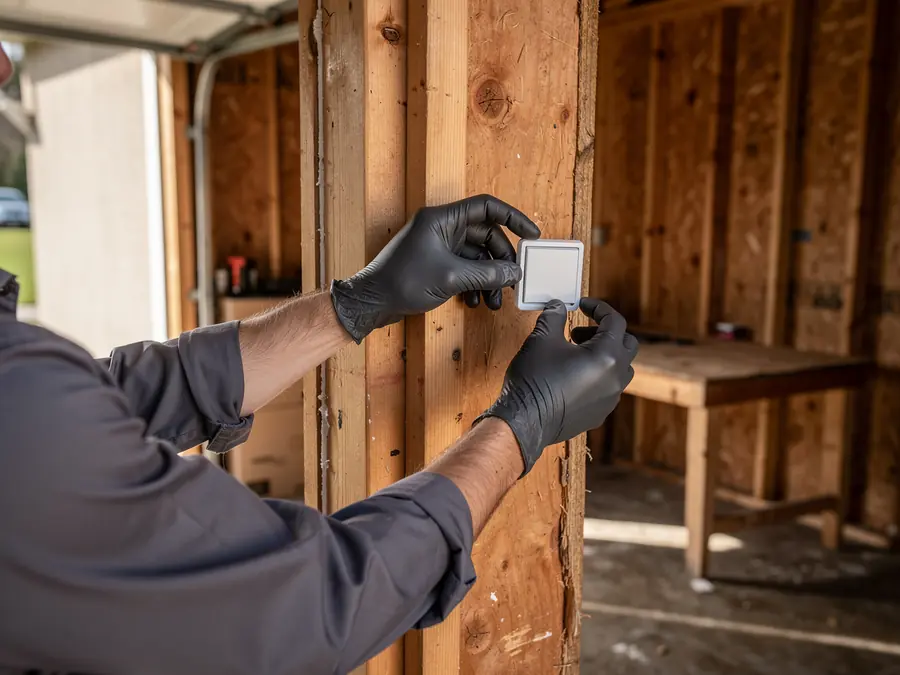
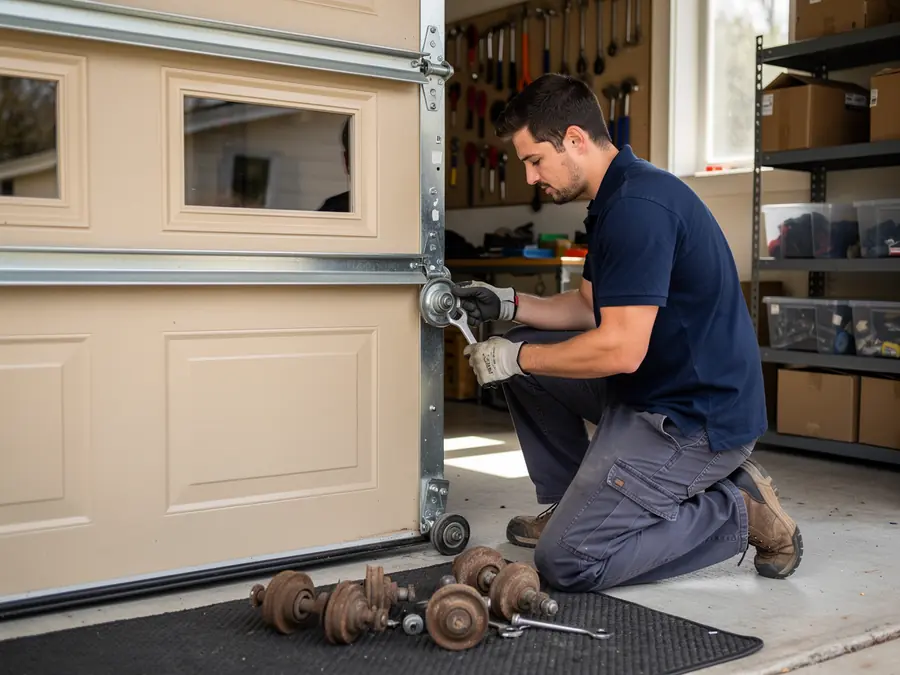
The honest limitation first: if a 1990s-era opener's circuit board is dead and the manufacturer stopped making that exact board, we may not be able to source an exact replacement - the job becomes a full opener swap instead of a repair, and that's a different cost conversation.
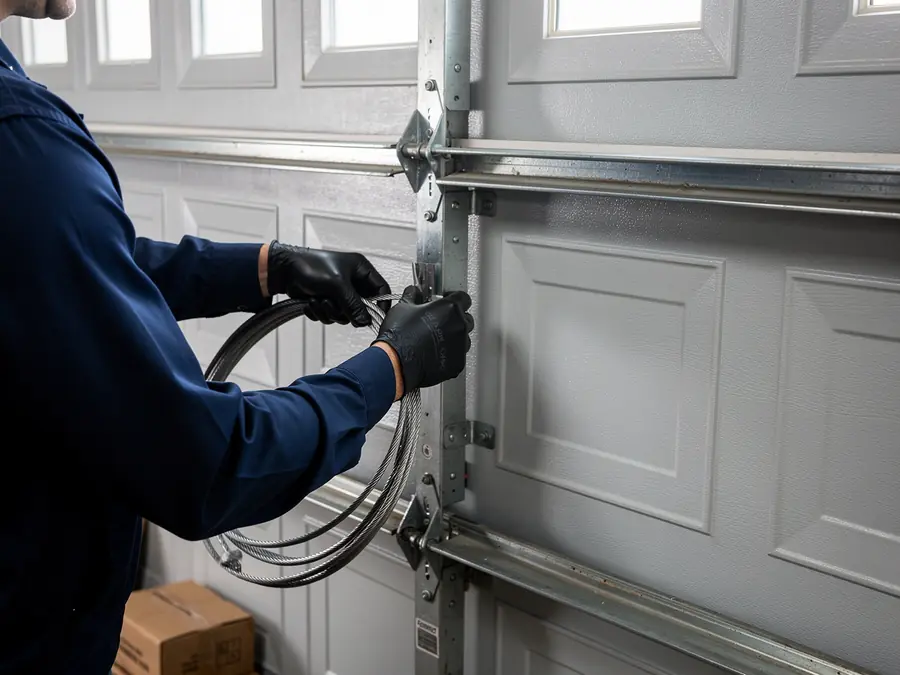
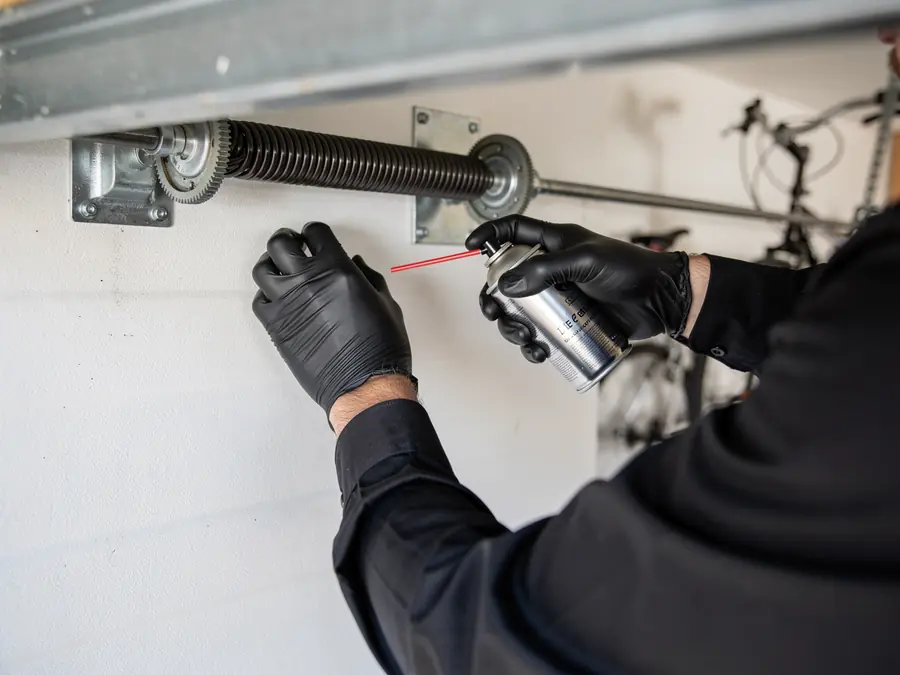
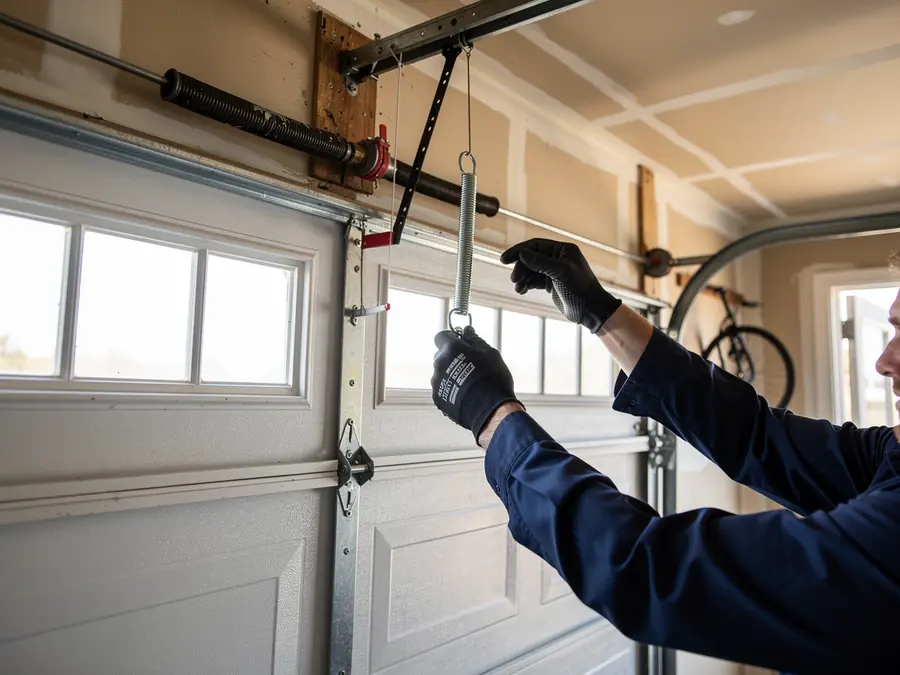
Where things go sideways on these newer builds is usually the torsion spring sizing. A lot of builders in this era used standardized spring specs that undersized the lift for heavier insulated doors, which were more common here given the higher median income in this part of the service area ($104,055 versus $93,233 across the broader footprint) buying upgraded doors over the years. Swap in the wrong spring weight and the opener strains, burns out a gear, and you're back to square one in a year.
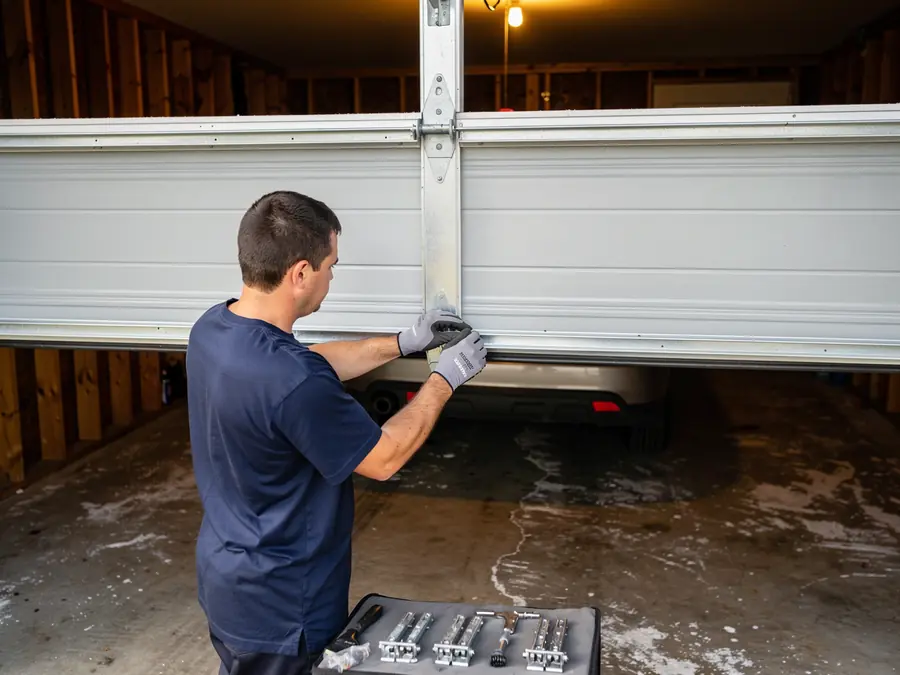
The other snag: a 1990s door on a 2020s opener, or vice versa, after a partial upgrade somewhere along the way. Mismatched generations of hardware on the same door is common enough here that we check the full system, not just the part that failed.