Fast garage door repair in MaplewoodCall (651) 401-2178

Roseville, Maplewood

Garage Door Installation in Roseville, Built for 1968-Era Homes

New garage door installation for Roseville, MN homes built around 1968, six miles from our Maplewood shop, sized for older hardware and cold climates.

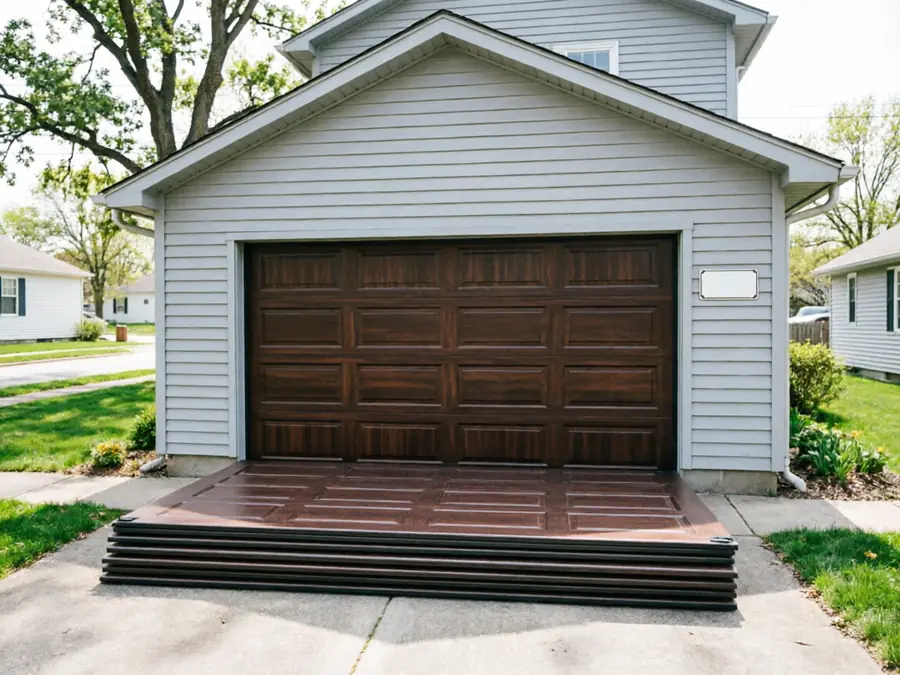
A brown garage door is installed with new panels stacked on the driveway.
What we do
  • Garage Door Repair
  • New Door Installation
  • Springs & Openers
Serving Maplewood, MNBackground-checked techsHonest, upfront pricingFast local response

Downtime

How Long You Are Without the Door

Most houses on Roseville's streets went up around 1968, and that era of construction set the garage opening sizes and framing we still work with today.

Opening exposed during swap

A new install means the old door and its track come off the hinges first, which leaves the opening uncovered while we work. We plan around that, not around a clock - the bay stays open only as long as it takes to pull the old hardware, square the jambs, and set new track, because in a COLD-band winter an open bay for longer than it needs to be is a real problem for whatever's parked or stored behind it.

No same-day guarantee

We don't promise a same-day turnaround here; every opening from the 1960s and 70s has its own quirks once the old door comes down, and rushing that step is how you end up with a door that doesn't sit right for years.

Seal before calling done

What we can say is that once the new unit is set, the first thing we do is get it sealed and weatherstripped before we call the job done, because a half-sealed door in this climate band costs you more in heat loss than the install itself.

Local causes

Why This Fails Locally

A door going up in Roseville around 1968 almost always meant a single-layer steel or wood panel on extension springs mounted overhead along the horizontal track, not the torsion bar setup that's been standard for decades now. Extension spring systems age differently - the springs stretch and lose tension gradually instead of snapping clean, so a door that's getting harder to lift by hand is often an extension-spring door quietly giving out, not an opener problem. Across the wider service area the housing stock runs 1950 to 2002 with a median around 1975, so Roseville's 1968 figure puts it on the earlier side of that range - which means more of these original spring setups are still in the walls here than in some of the newer pockets we cover. Add a COLD-moderate climate band on top of that, and the wood jambs and single-layer panels common to that build year have had sixty-some winters of expansion and contraction working on the seals and the frame square. That combination - older spring hardware, a jamb that's shifted slightly over time, and a panel with little to no insulation - is the specific failure pattern we see on new-install calls in this area, more than in neighborhoods built after the torsion-and-insulated-panel standard took hold.

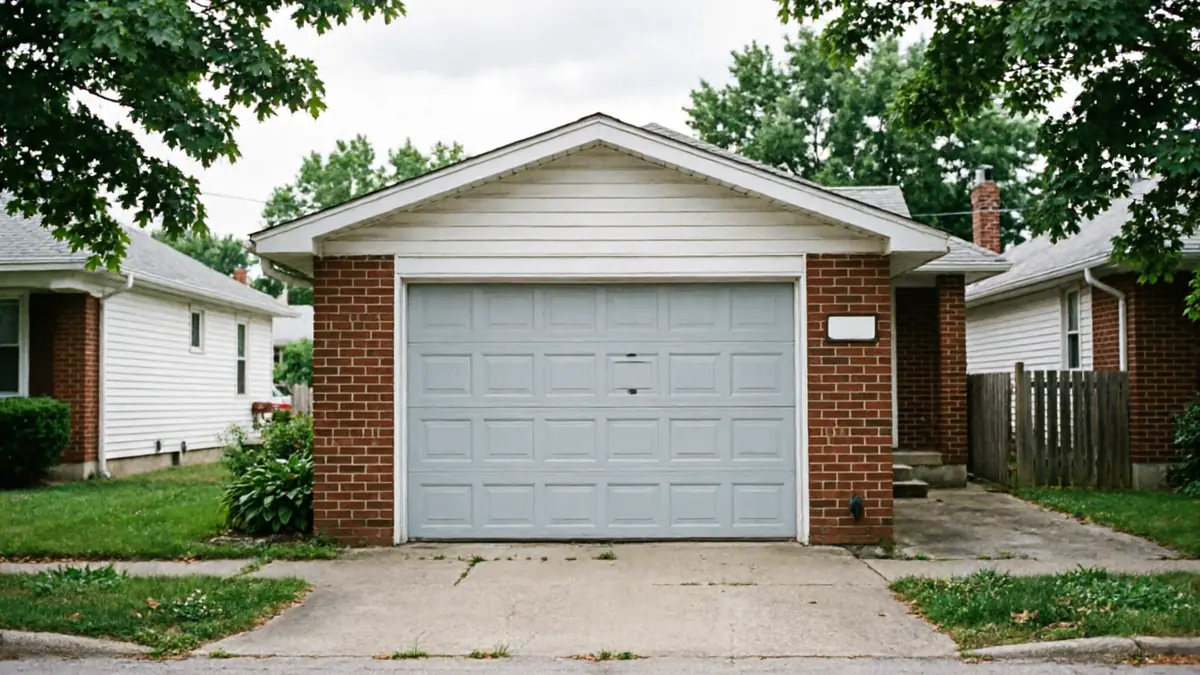
A light gray garage door is on a brick house with white siding.

Pricing

The Cost of This Job

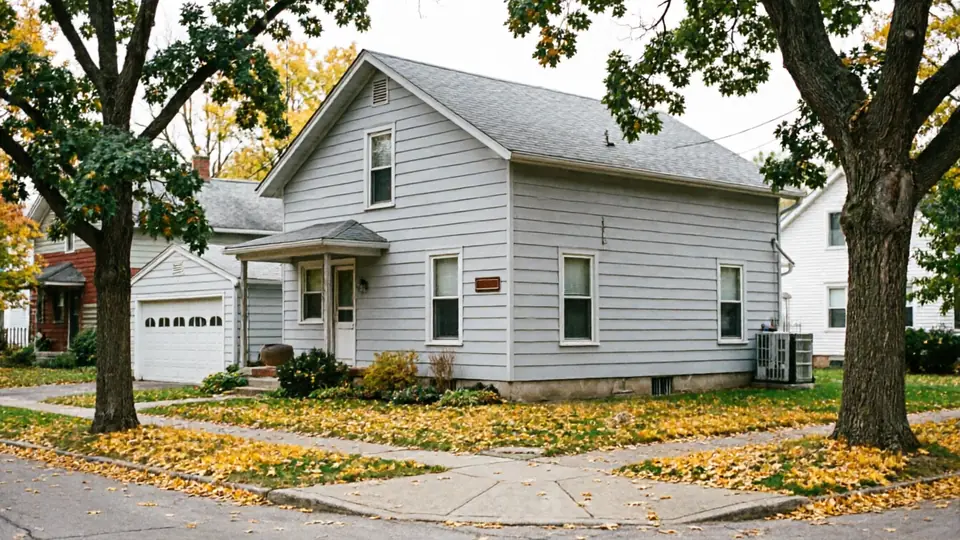
A white garage door with black windows is on a light blue house.

We don't post a flat number because the job scope varies with what's actually at the opening - a single door on an original wood jamb costs more labor than a double on a jamb that's already square. What we can tell you is how the area shapes the decision. Roseville's median household income, around $88,440, runs a bit below the broader service area's $93,233, and that gap shows up in which upgrades homeowners here tend to skip versus take - insulated steel panels are common, but the higher-end wood-composite doors are a smaller share of what we quote in this zip than in some of the wealthier pockets we cover. Across the full service area there are 224,155 households and 101,384 owner-occupied houses; Roseville's 15,586 households are one slice of that, which is part of why we don't keep a standing crew in town and instead run the job from Maplewood, six miles out. That distance doesn't change the quote - materials and labor drive the number, not the drive.
On the truck

What Is on the Truck

For a Roseville install the truck carries torsion hardware as the default upgrade path, since most of what we're replacing here is the older overhead extension-spring style common to 1968-era construction.

Full torsion conversion

That means torsion springs sized to the door weight, a center bearing plate, new lift cable, and a torsion tube - a full conversion away from the side-mounted springs rather than a like-for-like swap.

Insulated panels as standard

We also carry insulated steel panel sections as the standard option given the COLD-moderate climate band this area sits in; a door with no insulation layer loses more through the panel than through the seals, so we don't push uninsulated steel as the default here even though it's cheaper up front. Weatherseal kits, a bottom astragal, and jamb shims round out what goes in for the framing adjustments that a decades-old opening usually needs.

Jamb beyond shim correction

One limitation worth saying plainly: if the jamb itself has shifted enough that it's out of square beyond what shims can correct, that's carpentry work outside what we do on the install truck, and we'll tell you before we start rather than force a door into an opening that won't hold it square.

The repair

What the Fix Involves

The work starts with pulling the existing door, track, and the old extension springs under controlled tension - not just cutting them loose, since a spring under load let go wrong is how people get hurt.

  1. Jamb check and shimming

    Once the opening is clear we check the jamb for square, since a 1968-era frame has had decades to settle and shift even a little. Shimming happens here if needed. Then the new track goes up, sized to the new torsion system rather than the old horizontal spring rails, followed by the torsion tube, springs set to the door's actual weight, and the cable drums.

  2. Panel install sequence

    The insulated panel sections go in next, hinged and rollered into the track, with the bottom seal and astragal fitted last before we check balance - a door that doesn't hold still at any point when released isn't finished, no matter how it looks closed.

  3. Weatherstrip gap walkthrough

    We test the opener connection and travel limits if an opener's part of the job, then walk the weatherstrip line by hand to catch any gap a COLD-climate winter would find on its own. The whole sequence usually runs in one visit from our Maplewood crew.

Questions

Common questions

Why does my 1968-built garage have springs on the sides instead of over the door?

That's the extension-spring style standard for that era - springs ran along the horizontal track on either side rather than on a torsion bar above the door. It's original to the period, not a sign of a bad past repair, but those springs wear differently than torsion springs and are a common reason for a new-install call in homes from that build year.

Do you keep a crew stationed in Roseville?

No. We run jobs in Roseville from our Maplewood shop, about six miles away. That doesn't add to the quote - the cost comes from the door, the hardware, and the labor on site, not the drive.

Will a new door actually help with the cold in my garage?

If your current door is an uninsulated single-layer panel, common on homes from the 1960s and 70s here, swapping to an insulated steel panel with a proper weatherseal makes a real difference in a COLD-moderate climate band. The panel and the seal both matter - one without the other leaves a gap the winter will find.

What if my garage frame is out of square?

We can shim a frame that's shifted slightly, which is common in openings this old. If it's out of square beyond what shimming corrects, that's carpentry work outside what we handle on the install truck, and we'll say so before starting rather than force a door into a frame that won't hold it.

Explore more

More Services in Roseville

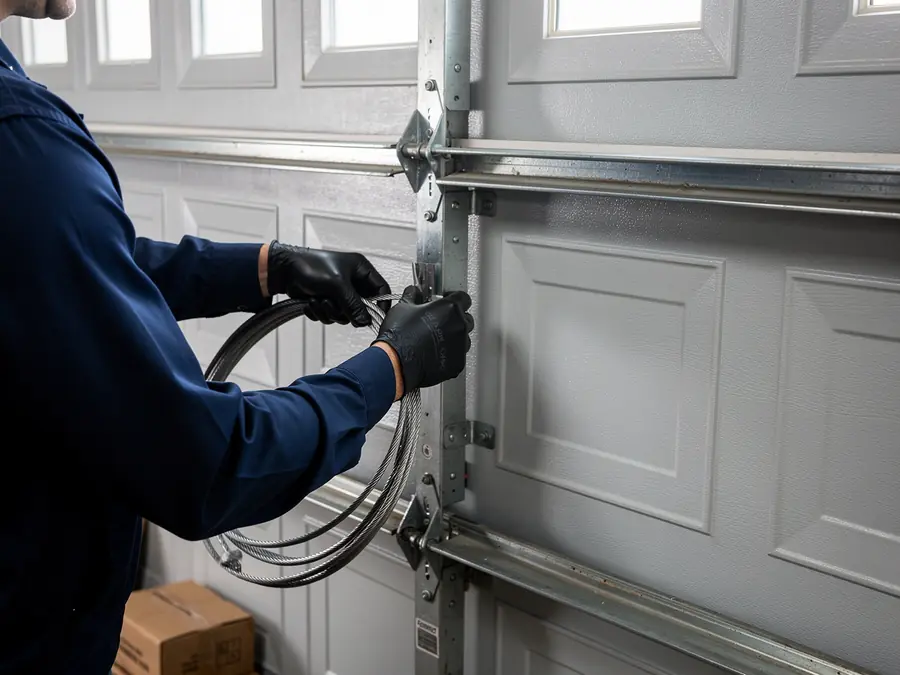
A technician in black gloves holds a coiled cable next to a white garage door.

Cable Repair

Snapped or frayed garage door cable in Roseville? Learn more →
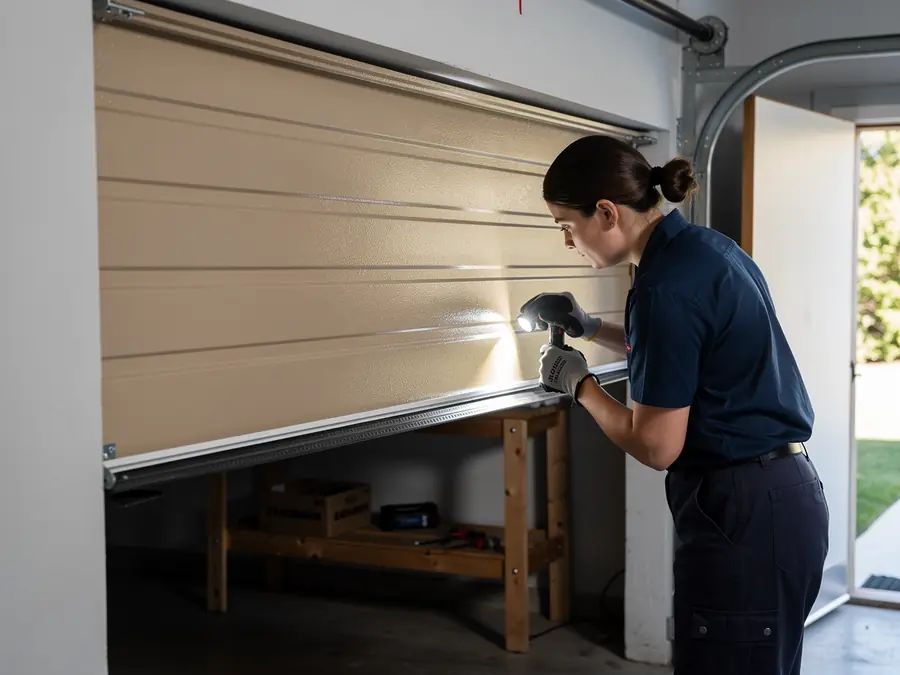
A technician shines a flashlight on the bottom of a beige garage door.

Garage Door Repair

Roseville homes mostly date to 1968, and a lot of that original spring and track hardware is still in place. Learn more →
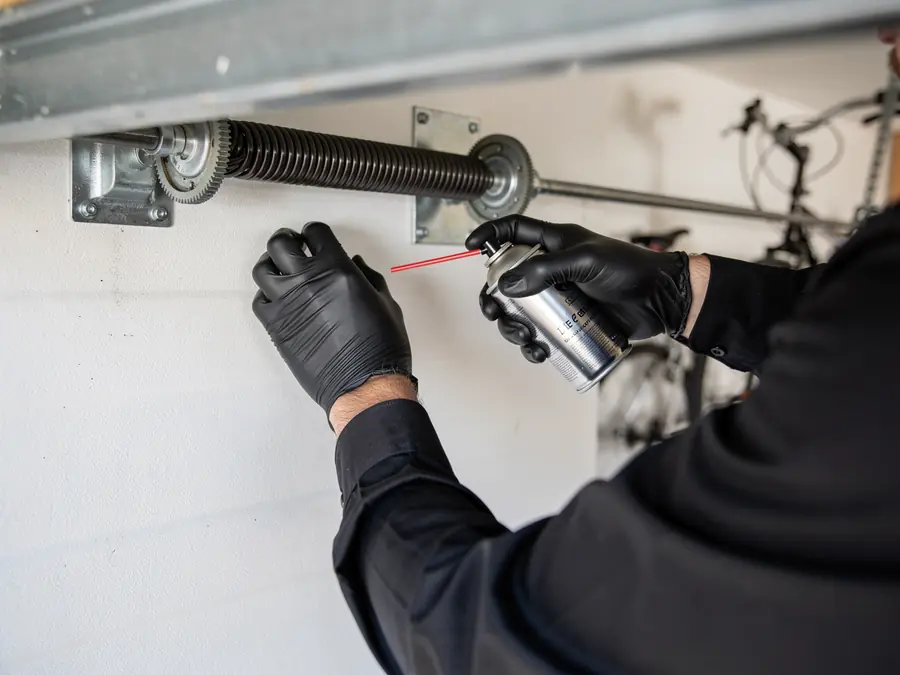
A technician in black gloves sprays lubricant on a garage door torsion spring.

Garage Door Service

Roseville's housing dates mostly to 1968, which means steel and aluminum doors on hardware that wasn't built for Minnesota cold. Learn more →
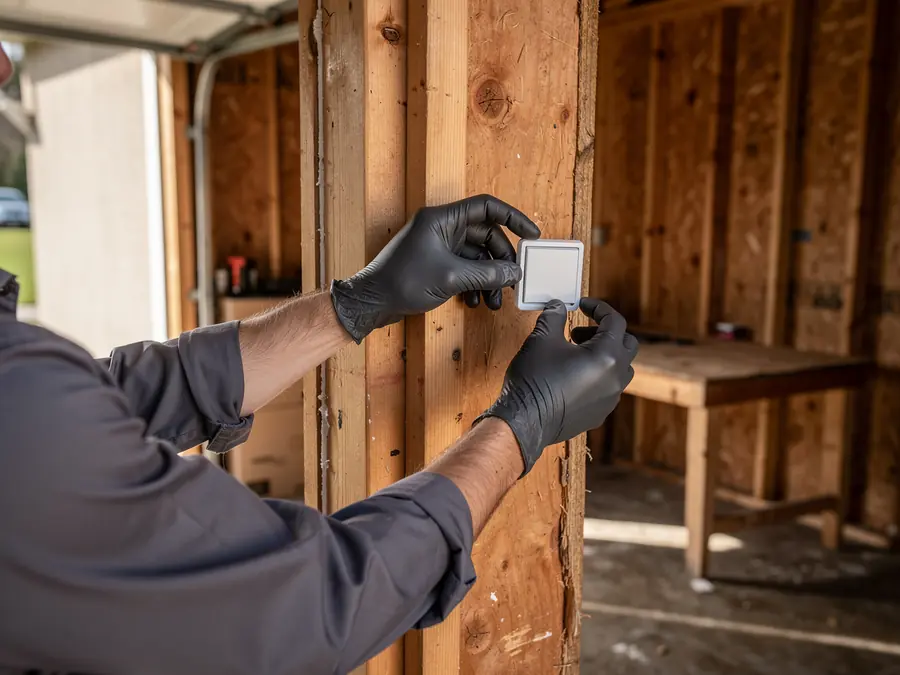
A technician in black gloves installs a white garage door opener button on a wooden wall.

Opener Installation

Roseville's 15,586 households mostly date to 1968, old chain-drive openers and missing safety sensors. Learn more →
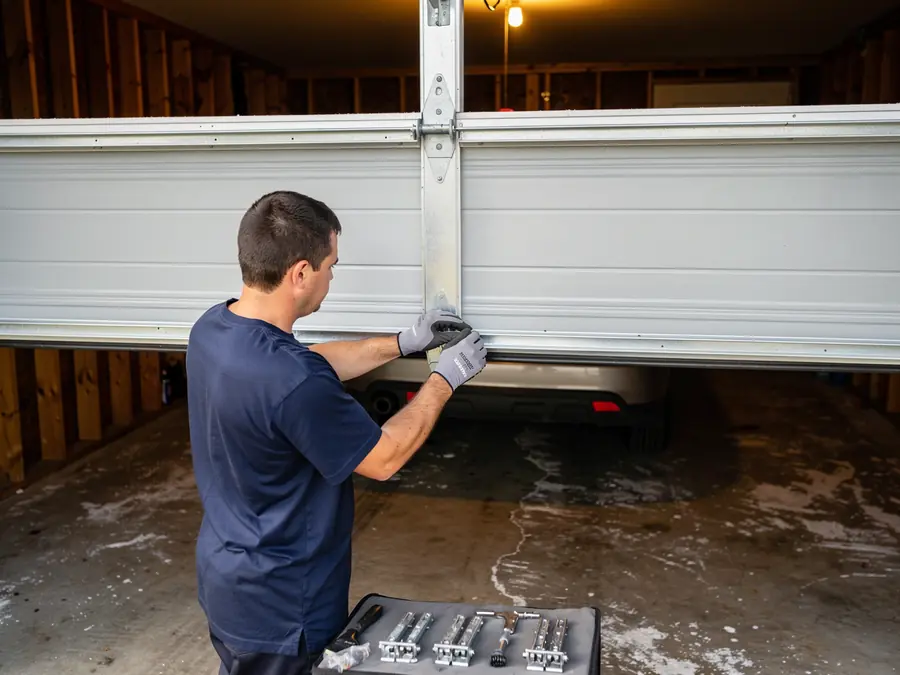
A technician in gloves is working on a white garage door.

Panel Replacement

Roseville homes built around 1968 often need steel panel swaps, not full doors. Learn more →
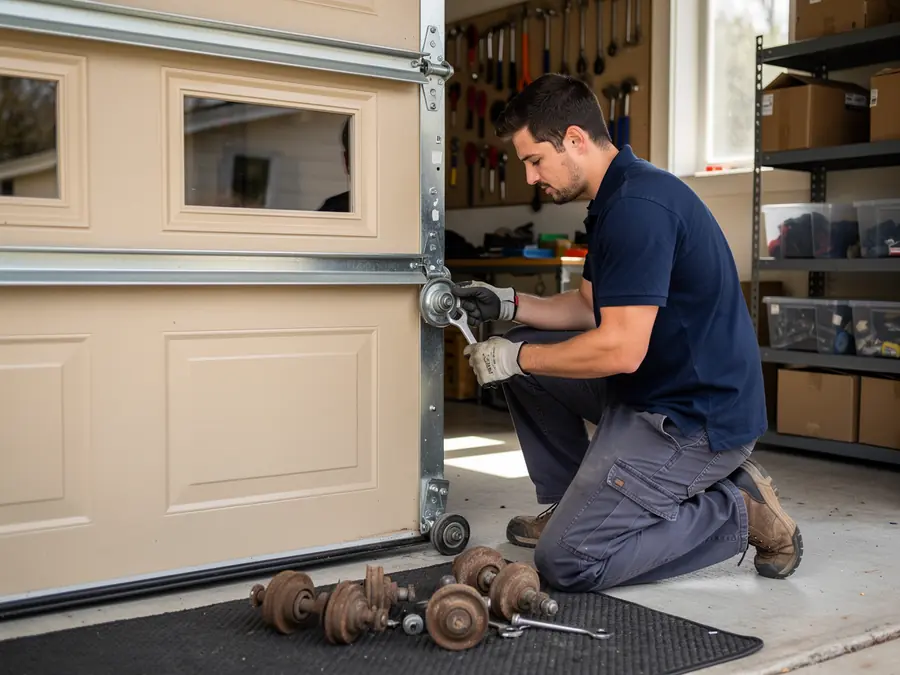
A technician kneels, repairing a beige garage door with a wrench.

Roller Replacement

Roseville homes mostly went up in the late 1960s, a few years ahead of Maplewood's own housing stock. Learn more →
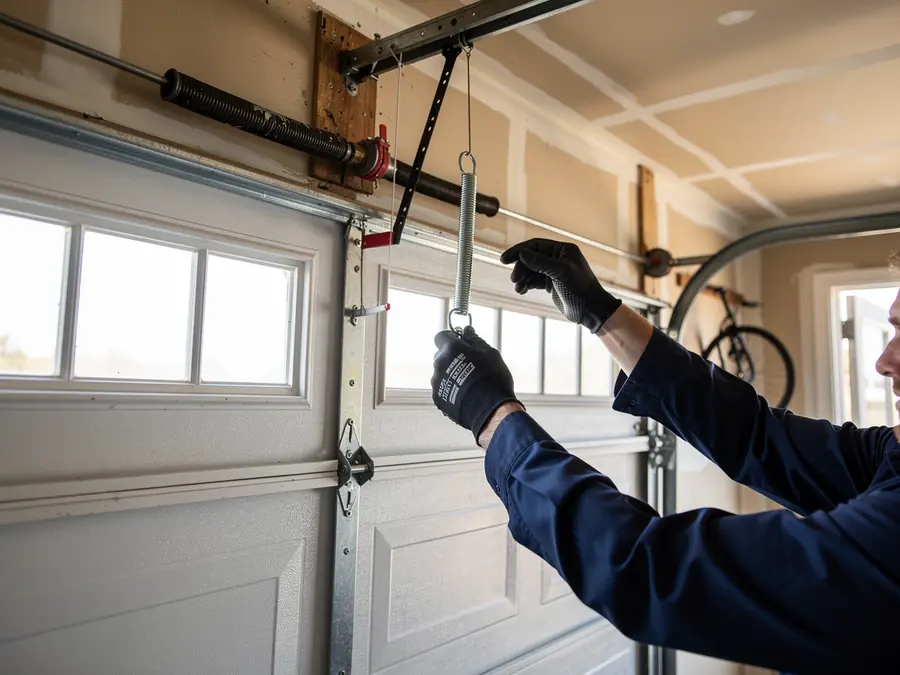
A technician in black gloves holds a spring above a white garage door.

Spring Repair

Roseville's homes cluster around 1968-era hardware. Learn more →

Ready when you are

Need a garage door sorted in Maplewood?

Maplewood Garage Door Pros repairs and installs garage doors, springs and openers in Maplewood, MN and the surrounding area.

CallGet a quote